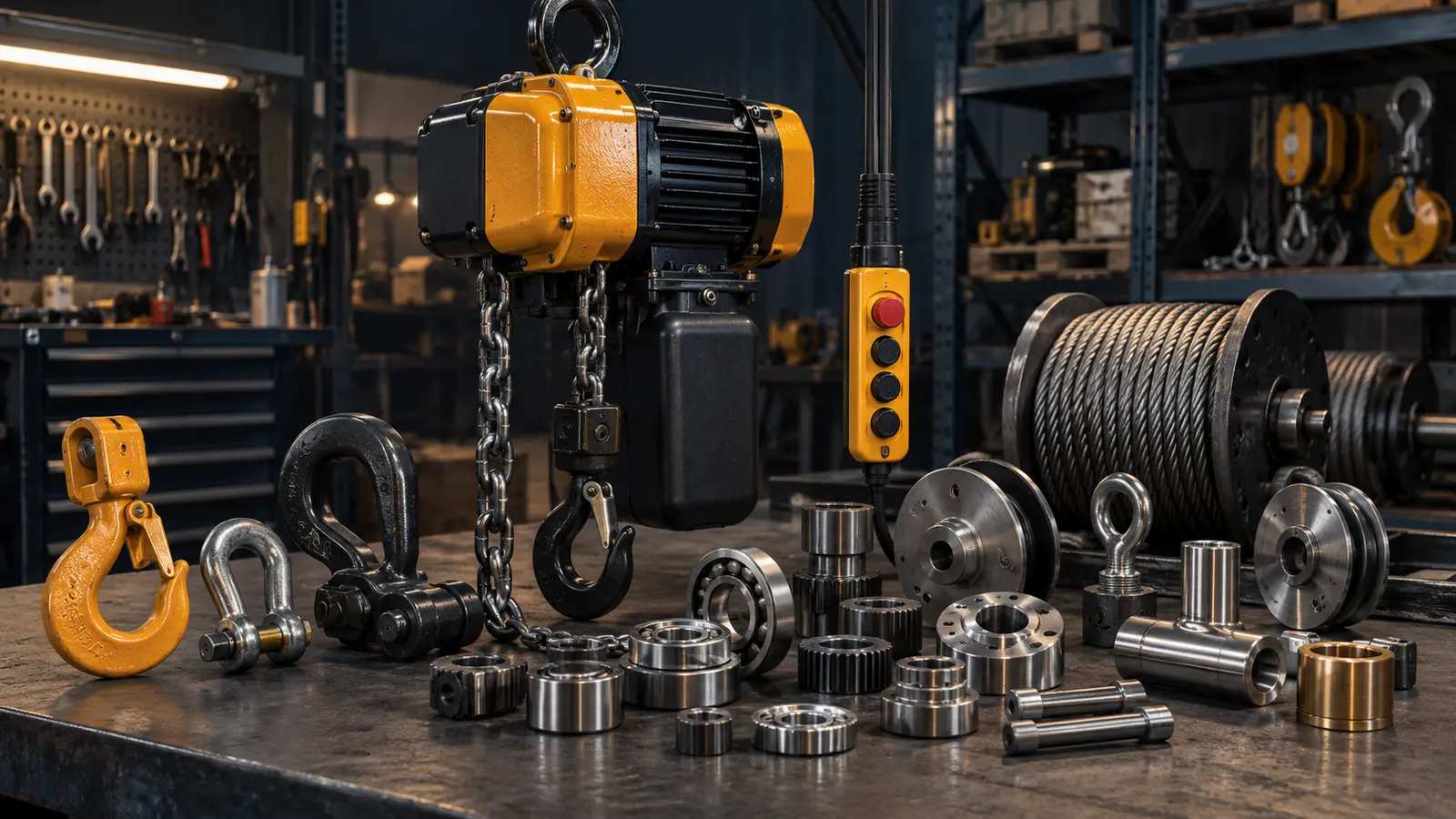
When information is tied to the correct asset, site and source, it is easier to separate confirmed facts from items that need review. Share what is genuinely known and leave uncertain fields clear instead of adding estimates that could affect the quotation scope.
Start with the reference exactly as shown
Copy the part number, description and any additional codes exactly as they appear on the component, catalogue or bill of materials. Add the equipment name, type, manufacturer, model and serial number when those details are available and may be shared. Do not shorten a long code or remove a suffix that appears unimportant, because it may distinguish another revision or configuration. If several numbers appear for the same item, record where each number was found and its source rather than choosing one by guesswork. When no reference is legible, mark it as unavailable and rely on photographs, dimensions and documents instead of inventing a substitute number.
Provide photographs that explain context
Attach an overall image of the component and closer images of the label, connectors, mounting points and different sides, plus a view of its location on the equipment when available in the customer's records. Name files so each photograph can be linked to an enquiry line, and state whether an image shows the requested item or only a similar example. A drawing, catalogue page or extract from a parts list can add context. Photographs support initial identification and focused questions, but they do not prove compatibility on their own, so an alternative or purchase decision should not rely on visual similarity alone.
State quantity and enquiry status
Give every part its own line with quantity, unit of measure and related site or asset. Explain whether the quantity is a one-off need or part of recurring maintenance demand, and include the delivery destination and requested review date. State whether the exact reference is mandatory or whether you want a documented alternative to be reviewed, without treating any alternative as accepted before verification. Separate confirmed parts from unidentified items, and distinguish a normal quotation request from a component connected with a current breakdown so priorities can be organised without creating an unapproved response promise.
Build a reviewable request list
Use a table containing line number, part reference, description, quantity, equipment, model, photograph or document reference, and notes. Add the list revision, date and contact, and do not silently overwrite an earlier version when a quantity or reference changes. Before submission, check that images are readable, every attachment is linked to a line, and the currency and delivery destination are included when needed for quotation. If an item remains unidentified, submit it as a separate line with all available evidence; this is clearer than combining it with a confirmed part or assuming a match.