When information is tied to the correct asset, site and source, it is easier to separate confirmed facts from items that need review. Share what is genuinely known and leave uncertain fields clear instead of adding estimates that could affect the quotation scope.
Establish an equipment baseline
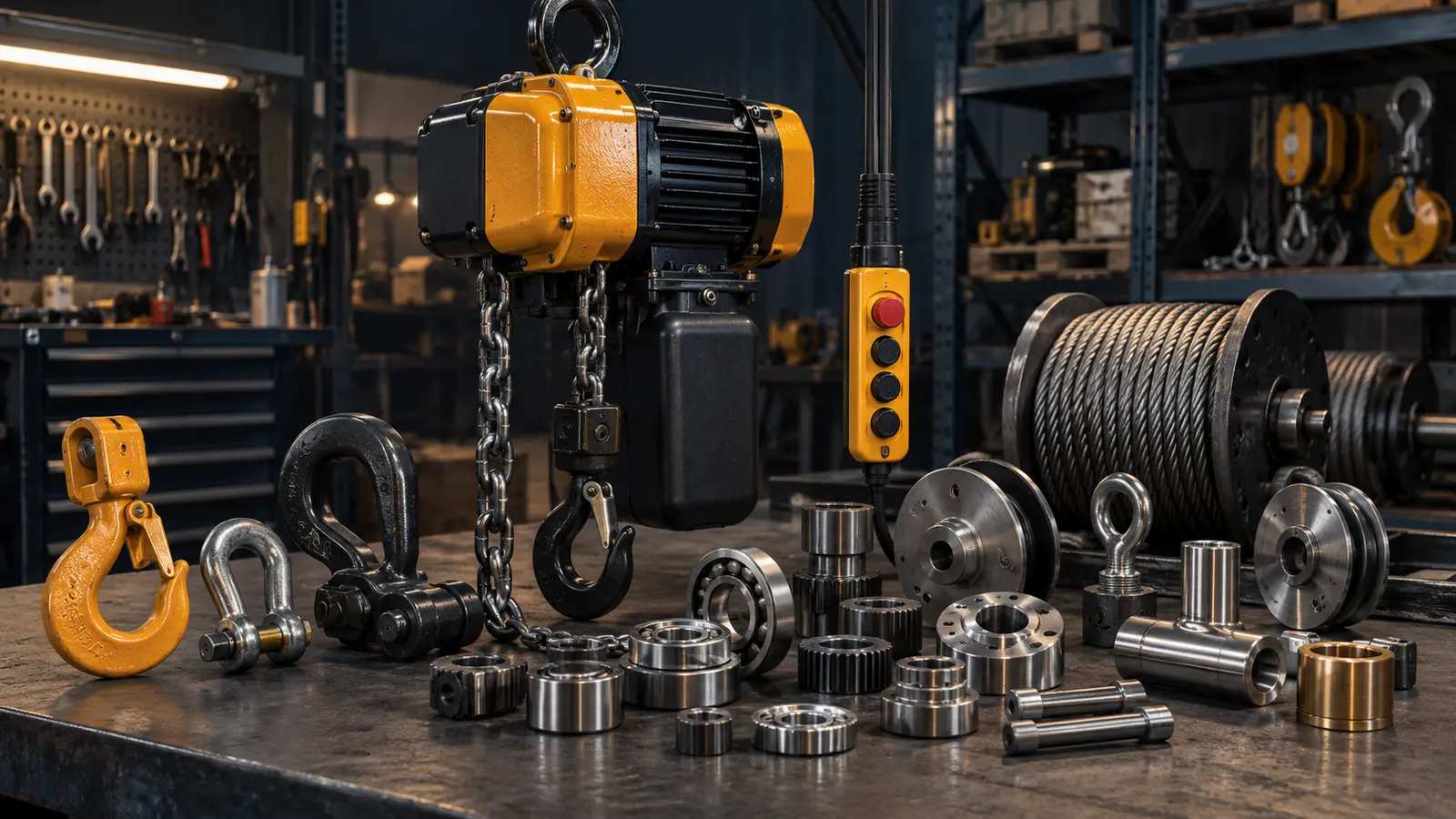
Identify the equipment by name, type, manufacturer, model, asset reference and serial number when the information is available. Attach nameplates, drawings, component lists, current photographs and the known modification history. Describe the present configuration, accessories, loose items and documents that should move with the equipment without inferring a technical condition that has not been assessed. If several machines are included, give every asset a separate code and link all photographs and lists to it. This baseline supports comparison between what was present at the origin and what is received and reassembled at the destination.
Document the origin and destination
Provide each site address, contact, area layout and photographs of access and the spaces available for receipt, work and storage. Record doors, openings, passages, clear heights and vehicle routes as shown in customer information, and attach available building, foundation or runway drawings for the destination. Note any areas that will remain in use during the project and any timing coordination required. Do not assume that the runway, foundation or power interface at the new site matches the original one; record available facts and open questions so they can be assessed within the scope.
Divide relocation work and responsibilities
Clarify whether the enquiry includes pre-dismantling records, dismantling, identification, packing, transport, storage, site work, reinstallation or commissioning. For every package, name the responsible party and the documents or equipment supplied by the customer; do not replace detail with a phrase such as complete relocation. Add the delivery destination, known access conditions and coordination requirements, and ask for undecided options to be priced separately. If repair or modernisation is desired during the move, list it independently so it is not confused with restoring the equipment to its agreed configuration.
Add the programme and handover record
State the equipment shutdown window, target departure and arrival dates and when the new site is expected to be available, together with known dependencies on other work. Identify the contacts who approve component lists, changes and documents at both locations. Request condition records, photographs, packing lists, shipment references and handover documents as agreed in the project scope, keeping revisions traceable. This guide organises enquiry information; it does not provide instructions for dismantling, lifting or transporting equipment. Execution methods and technical assessment remain part of the project plan approved by the responsible parties.