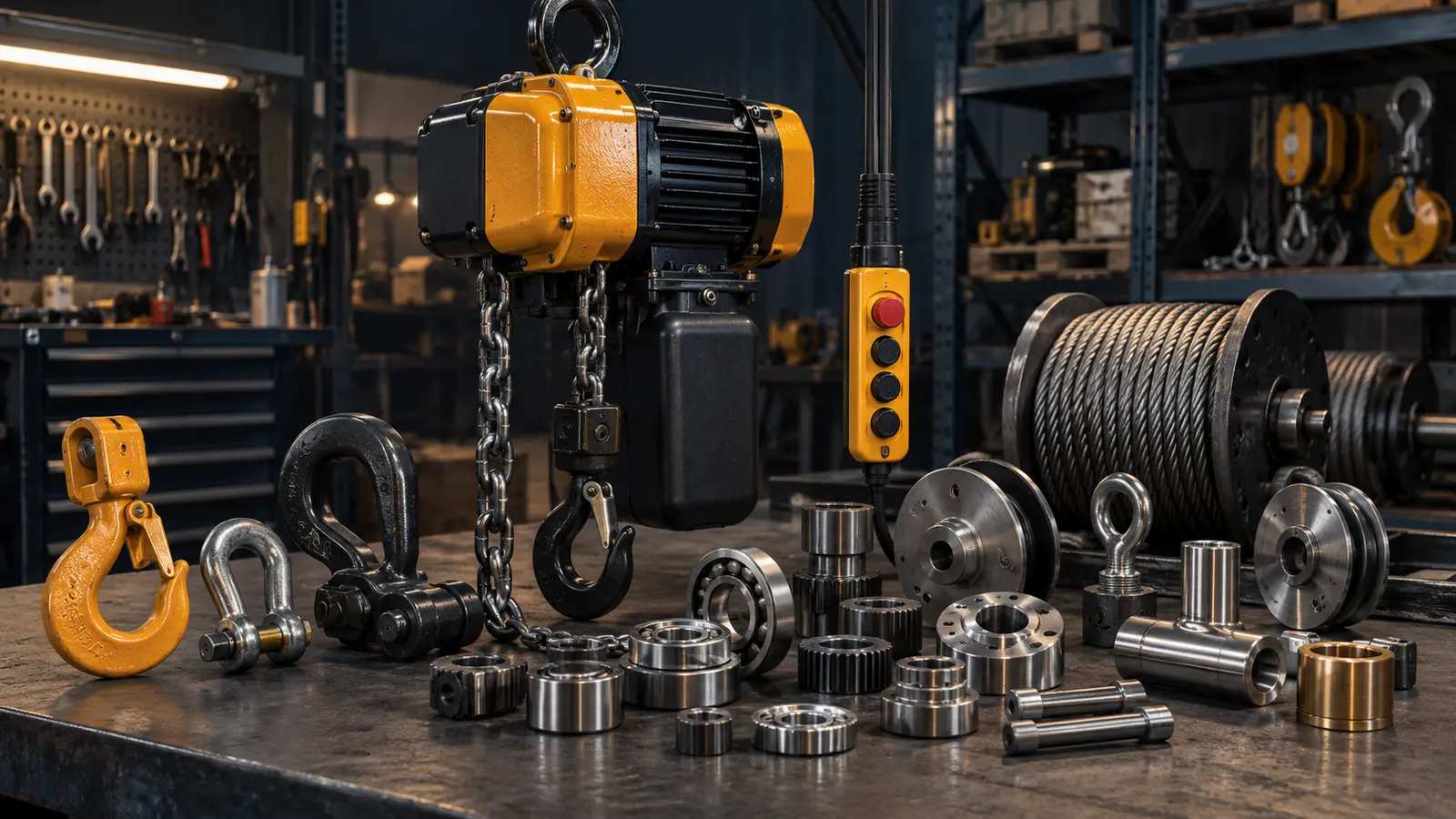
When information is tied to the correct asset, site and source, it is easier to separate confirmed facts from items that need review. Share what is genuinely known and leave uncertain fields clear instead of adding estimates that could affect the quotation scope.
Create a dependable asset register
Begin with the equipment covered by the request and keep a separate line for each asset. Record location, equipment type, manufacturer, model, asset reference and serial number when available, and link each asset to its nameplate, photographs and documents. Where similar machines have different configurations, do not group them under one generic name; record known differences, revisions and modifications. Add the responsible contact for each site and label the data status as confirmed or requiring review. A structured asset register is the foundation that prevents a part reference from being transferred to another machine simply because its name or appearance is similar.
Link each part to equipment and source
For every line, record the part number, description, quantity, unit of measure and the asset on which it is used, then identify the reference source: catalogue, bill of materials, previous order, label or drawing. Keep an image or reference page when available and distinguish confirmed parts from items that still need identification. If a number appeared in the customer's earlier purchases, retain it as historical context rather than automatic evidence that it fits every asset. Include a field requesting alternative review when needed, while leaving acceptance open until the equipment and part information have been checked.
Turn consumption into an organised requirement
Add the quantity used or required, the period covered by the request and the demand pattern shown in customer records, separating routine consumption from planned work or breakdown needs. Record available stock when known, open orders, delivery destination and the priority assigned by the customer. Do not turn this information into an unsupported part-life prediction or inventory recommendation; its purpose is to show ordering patterns and gaps for discussion. Items may be grouped by site, asset or part category as long as every grouped entry retains a clear link to its original line and supporting reference.
Prepare the CriticalSet package for review
Combine the asset register, bill of materials, photographs and references in an organised file set with a revision, date and data owner. Add a summary of sites, included assets, part categories and identification status without declaring the list complete before review. State the requested currency, delivery destinations, quotation split and target dates. When the list changes, maintain a change record showing what was added, removed or revised. This allows the CriticalSet package to be reviewed in stages and supports focused questions instead of rebuilding the requirement from separate messages and unrelated files.